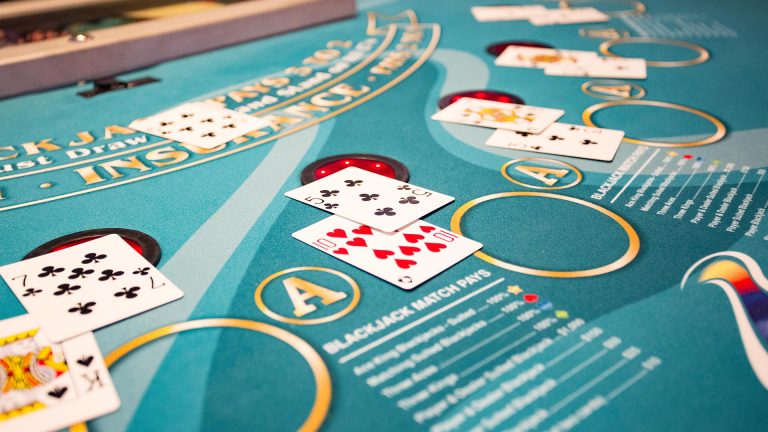
The allure of gambling
The appeal of gambling has been a captivating phenomenon throughout history, drawing individuals from various walks of life. People are irresistibly attracted to the thrill of taking risks, and casinos serve as the perfect backdrop for this adventurous spirit. The bright lights, the sound of coins clinking, and the adrenaline rush of placing a bet create an environment that stimulates excitement. This engaging atmosphere stimulates the brain’s reward centers, reinforcing the desire to gamble, which can often lead to repeated behavior, especially when considering platforms like allfleetservices.co.uk that offer unique gaming experiences. The sensory overload experienced in casinos can evoke a sense of euphoria, making it difficult for players to resist the temptation to engage further.

Moreover, the combination of chance and skill involved in many casino games adds to their allure. Players often feel a sense of control when they engage in games that require strategy, such as poker. This illusion of control can deeply influence gambling behavior, as individuals believe they can outsmart the odds. The psychological satisfaction that comes from making informed decisions can lead players to take higher risks in their pursuit of winnings, often blurring the lines between entertainment and obsession. This feeling of empowerment can enhance the gambling experience, leading to an increased likelihood of returning to the tables.
Lastly, the social aspect of casinos cannot be overlooked. Gambling is frequently a communal activity, allowing friends and strangers to bond over shared experiences. This social dimension enhances the overall enjoyment, as players cheer each other during wins and commiserate during losses. The camaraderie and the collective excitement create an environment where individuals feel compelled to return, driven by the psychological need for social validation and connection. This social reinforcement can amplify the thrill of gambling, making it not only a personal adventure but also a shared celebration, further embedding gambling into the social fabric of many communities.
The role of cognitive biases
Cognitive biases play a significant role in gambling decisions, influencing how players perceive their odds of winning. One common bias is the «gambler’s fallacy,» where individuals believe that past outcomes can influence future results, leading them to make illogical betting choices. For example, a player might think that a slot machine is due for a payout after a series of losses, which can propel them to continue playing far longer than intended. This belief can create a cycle of chasing losses, which is detrimental to financial stability and can lead to severe consequences in a person’s life.
Additionally, the concept of «near misses» can also heavily impact gamblers’ psychology. When players come close to winning—such as hitting two out of three required symbols on a slot machine—these occurrences can create a false sense of hope. The brain interprets near misses as a potential success, encouraging further gambling despite losses. This phenomenon not only perpetuates gambling behavior but can also lead to a distorted perception of one’s skills, strengthening the desire to play continuously. As players chase these elusive victories, their financial and emotional investments can spiral out of control.
Lastly, confirmation bias, where individuals seek information that confirms their pre-existing beliefs, is particularly prevalent in gambling contexts. Players may remember their wins in vivid detail while downplaying or forgetting their losses. This selective memory reinforces the idea that they are skilled or lucky, perpetuating their gambling habits. Understanding these cognitive biases is essential for recognizing the psychological mechanisms that keep individuals engaged in gambling, often at their own expense. By developing awareness of these biases, players can better navigate the risks associated with gambling and make more informed decisions.
The emotional dynamics in gambling
Emotions play a pivotal role in shaping gambling behavior, with mood states influencing decision-making processes. The thrill of winning can trigger euphoric feelings, releasing dopamine—the brain’s «feel-good» neurotransmitter. This rush can be so intoxicating that it cultivates an addictive cycle where the player continuously seeks that high, often leading to irrational betting patterns. As players become more entrenched in this cycle, they may overlook the risks and potential consequences of their gambling habits. The emotional high associated with winning can create a feedback loop, encouraging players to gamble more in pursuit of that fleeting joy.
On the flip side, negative emotions can also drive gambling behavior. For some individuals, gambling serves as an escape mechanism from stress, anxiety, or depression. The immersive environment of a casino can temporarily distract players from their problems, leading them to gamble as a form of relief. Unfortunately, while this might provide short-term comfort, it can spiral into a long-term issue, resulting in increased emotional distress and financial difficulties. This emotional rollercoaster underscores the need for individuals to recognize the impact of their feelings when gambling, as it can lead to a dangerous cycle of reliance on gambling for emotional stability.
Moreover, the concept of «loss aversion» plays a critical role in gambling psychology. Research indicates that the pain of losing is felt more intensely than the pleasure of winning. This dynamic can lead players to continue gambling in hopes of recouping their losses, often escalating their bets in a desperate attempt to balance their emotional scales. Understanding these emotional factors can shed light on why some individuals develop problematic gambling behaviors and highlight the importance of promoting responsible gambling practices to mitigate emotional pitfalls. By fostering emotional awareness, players can better manage their gambling experiences and maintain a healthier relationship with gaming.
The impact of environment and marketing
The casino environment is meticulously crafted to enhance the gambling experience, employing sensory stimuli that keep players engaged. Bright colors, enticing sounds, and free drinks work together to create an atmosphere designed to stimulate excitement and prolong playtime. This carefully curated environment can make it difficult for players to leave, increasing the chances of them spending more time and money than they initially planned. Understanding the psychological impact of these environmental cues is crucial for recognizing how they manipulate player behavior. The architectural design of casinos often encourages exploration, leading players deeper into the gaming areas and further into their gambling pursuits.
Marketing strategies used by casinos also exploit psychological vulnerabilities to attract and retain customers. Promotions like «free play» or loyalty programs tap into the desire for rewards and value, encouraging players to return. These marketing techniques can create an illusion of potential profit, making gambling seem more appealing. Casinos often highlight winners in advertising, reinforcing the belief that anyone can strike it rich, which can distort perceptions of risk and lead to increased gambling participation. Additionally, the use of social media and targeted advertising can further entrench the idea that gambling is a desirable activity, making it even more difficult for individuals to resist the allure.
Finally, the social acceptance of gambling in many cultures further fuels participation. As gambling becomes normalized in entertainment and media, individuals may feel societal pressure to engage in betting activities, perceiving them as a common leisure activity. This social endorsement can lead to underestimating the risks associated with gambling, reinforcing the belief that it is a harmless pastime. By examining both the environmental and marketing influences, it becomes clear that they work in tandem to perpetuate gambling behavior, emphasizing the need for awareness and intervention. Recognizing these influences can empower individuals to make more conscious choices regarding their gambling habits.
Responsible gambling and resources
As the complexities of gambling psychology become apparent, promoting responsible gambling practices is essential. Individuals need to be educated about the psychological factors that influence their gambling behaviors and decisions. Understanding how cognitive biases, emotional dynamics, and environmental cues can manipulate their choices empowers players to make informed decisions. Increased awareness can help mitigate the risks of developing unhealthy gambling habits, encouraging a culture of moderation and self-control. Responsible gambling initiatives can provide the necessary tools for players to engage in gaming without falling into harmful patterns.
Many resources are available for individuals seeking help with gambling issues, including hotlines, support groups, and educational programs. These resources aim to provide not only assistance but also foster a greater understanding of the psychological aspects of gambling behavior. By addressing the underlying psychological vulnerabilities that lead to problematic gambling, these organizations can offer strategies to build resilience and promote healthier gambling practices. Additionally, creating community awareness around responsible gambling can foster a supportive environment for those struggling to maintain control.
Ultimately, the goal is to create a balanced perspective on gambling, recognizing it as a form of entertainment while also acknowledging the potential psychological pitfalls. By fostering an environment that prioritizes education, support, and responsible gambling, individuals can help ensure that their engaging experiences remain enjoyable and free from harm. The importance of understanding the psychology behind gambling cannot be overstated in our ongoing efforts to promote safer gambling practices for all, allowing players to enjoy the thrill without compromising their well-being.